
On August 27, 2025, the Provincial Steering Committee for the implementation of the Politburo’s Resolution No. 57-NQ/TW held its first session to review progress, assess outcomes, identify limitations and challenges, and set out key orientations and tasks for the next phase. The session was chaired by Mr. Nguyễn Văn Quyết – Secretary of the Provincial Party Committee; Mr. Nguyễn Mạnh Hùng – Permanent Deputy Secretary of the Provincial Party Committee and Chairman of the Provincial People’s Council; and Mr. Nguyễn Văn Út – Deputy Secretary of the Provincial Party Committee and Chairman of the Provincial People’s Committee.
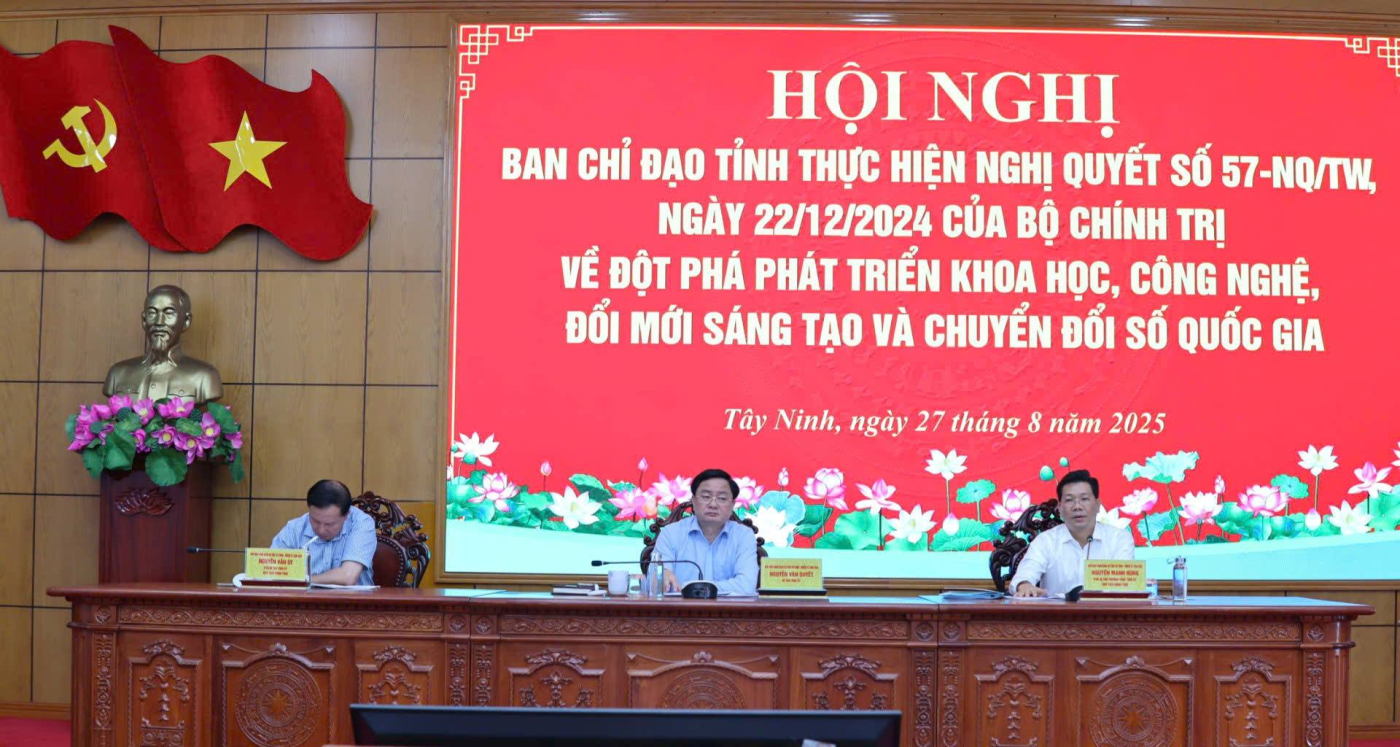
In recent times, the implementation of Resolution No. 57-NQ/TW has received strong attention and decisive direction from the Provincial Party Committee, the Standing Committee, and the Provincial Steering Committee, gradually achieving many significant results. Digital infrastructure and information technology applications have been prioritized for investment. Mobile networks and fixed Internet services now cover 100% of hamlets and neighborhoods, including rural and border areas. Shared digital platforms and data systems have been put into operation, effectively supporting management and administrative tasks. The rate of citizens with electronic identification accounts (VNeID) has reached 83.51%, far exceeding the set target, thereby strongly promoting digital transformation in everyday life.
The “Digital Literacy for All” movement has been launched and widely spread, with numerous training sessions and digital skills courses organized for officials, civil servants, and people from all walks of life. The awareness and technological proficiency of cadres, Party members, and citizens have been markedly improved. The digital economy has also seen positive growth; many science and technology enterprises and innovative startups have been established. Models applying technology in smart agriculture, e-commerce, online tourism, and cashless payment have been implemented, bringing about practical and effective results.
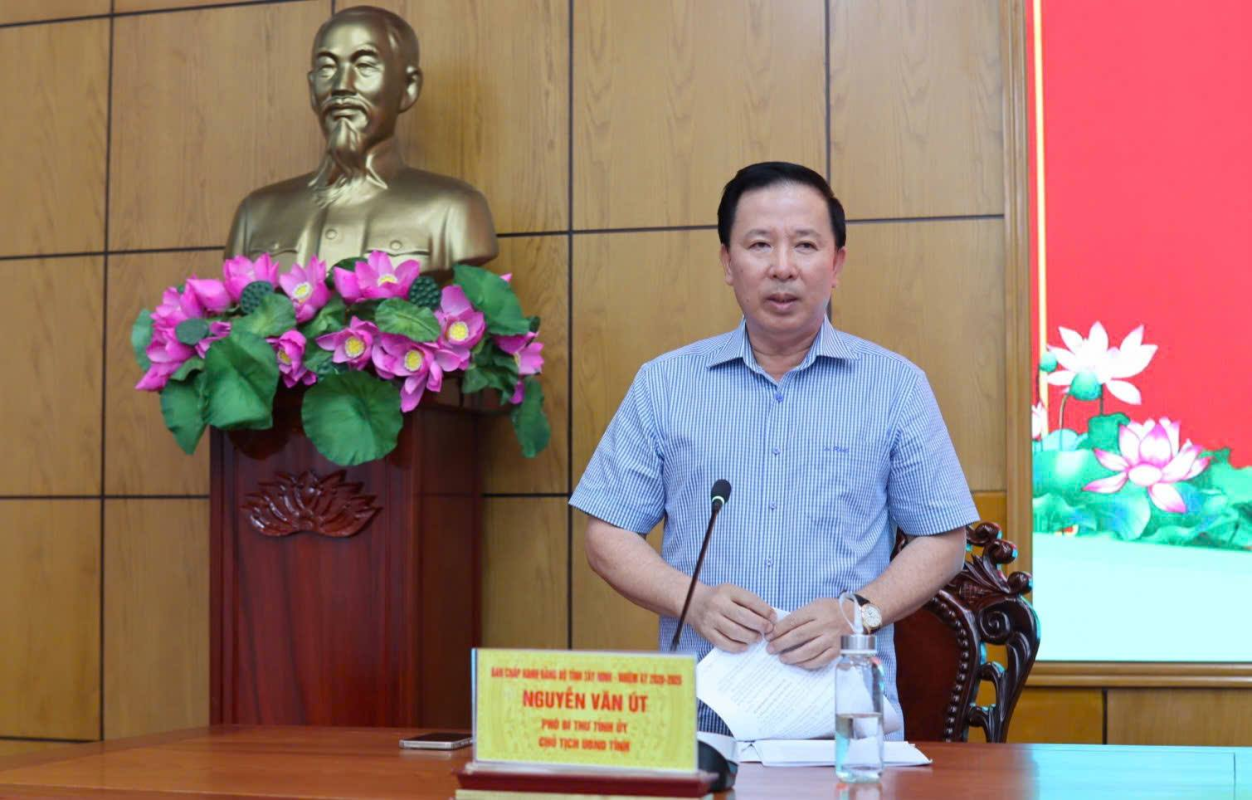
He noted that despite the positive outcomes achieved, the implementation of the Resolution still faces certain limitations. The concretization of some contents has been slow; communication and public awareness activities have not been sufficiently extensive; several key targets have yet to be met; information technology infrastructure at the commune level remains inconsistent; the digital transformation workforce is still limited; and the linkage between institutes, universities, and enterprises in scientific research remains weak.
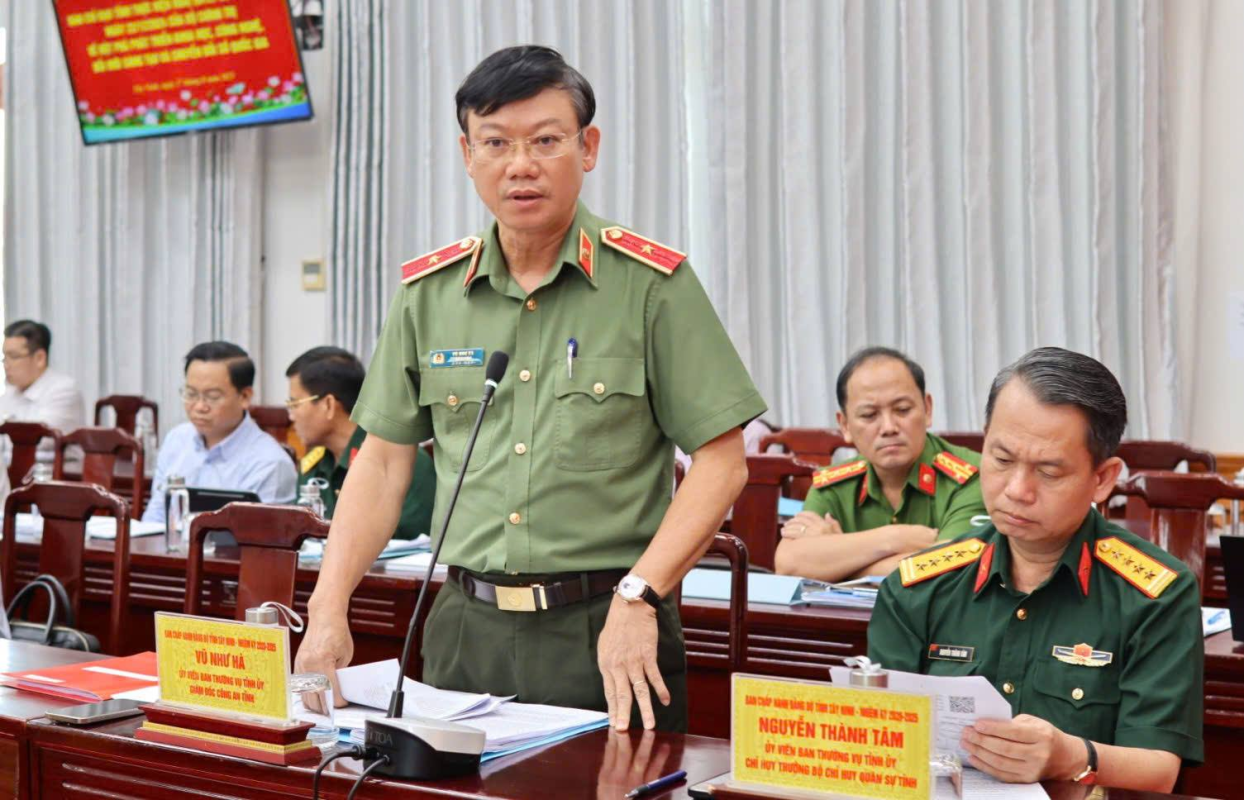
During the session, delegates focused their discussions on the achieved results, difficulties, and limitations encountered during the implementation process of the Resolution. They proposed practical solutions for improvement in the coming period. In addition, the delegates contributed opinions and analyzed the feasibility of several key indicators in the draft Project on Breakthrough Development in Science, Technology, Innovation, and Digital Transformation for the 2025–2030 period.
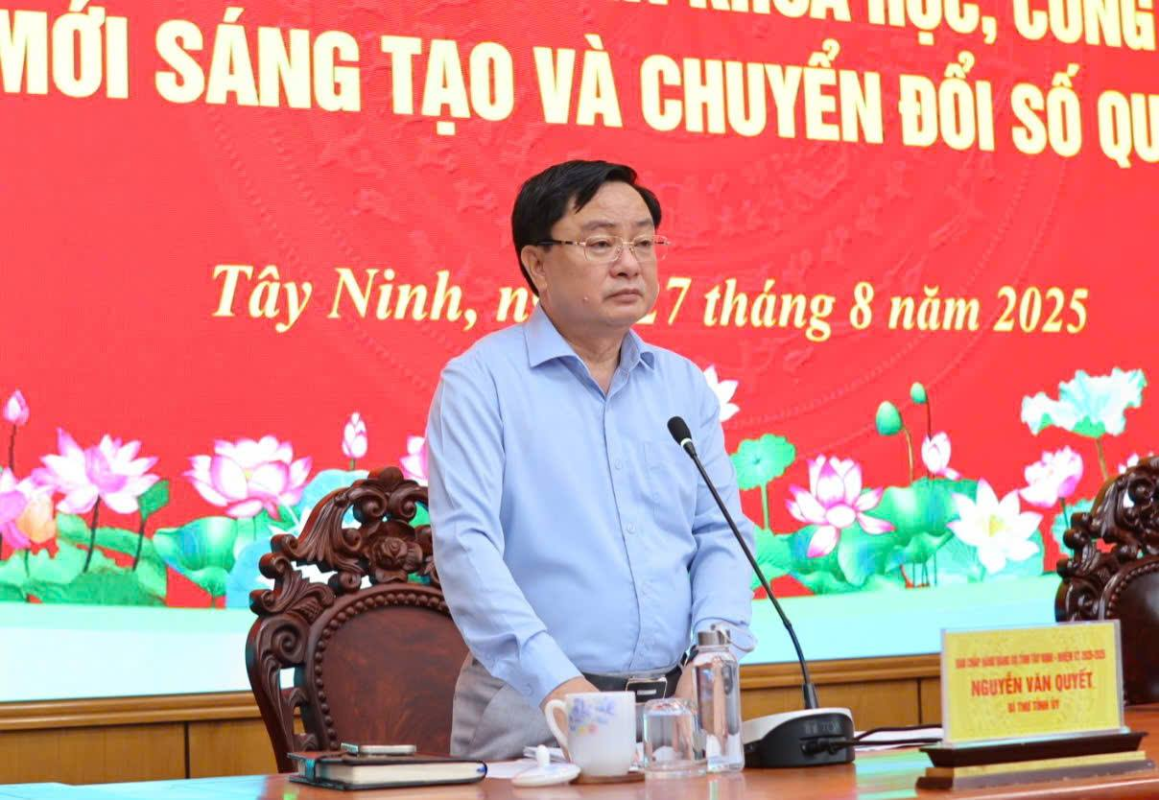
Delivering his directive speech at the session, Provincial Party Secretary Nguyễn Văn Quyết requested the Provincial People’s Committee to promptly finalize the Breakthrough Project on the Development of Science, Technology, Innovation, and Digital Transformation for the 2025–2030 period, and submit it to the Provincial People’s Council by September 2025. He also emphasized the need to address existing shortcomings in digital infrastructure and digital services, particularly at the commune level; to accelerate the development of digital human resources; and to adopt mastery of digital platforms and applications as key criteria for the annual evaluation of officials.
The Provincial Party Secretary further urged departments, sectors, and localities to strengthen coordination, proactively remove obstacles, and focus on fields with comparative advantages and development potential in order to achieve breakthrough results in the shortest possible time. In parallel, he stressed the importance of enhancing communication and promoting the “Digital Literacy for All” movement, gradually fostering a digital culture within the community. At the same time, he called for the Vietnam Fatherland Front and socio-political organizations to strengthen their roles in supervision and social feedback, and to mobilize the public to actively participate in the process of digital transformation.
Source: Tây Ninh Provincial Electronic Information Portal